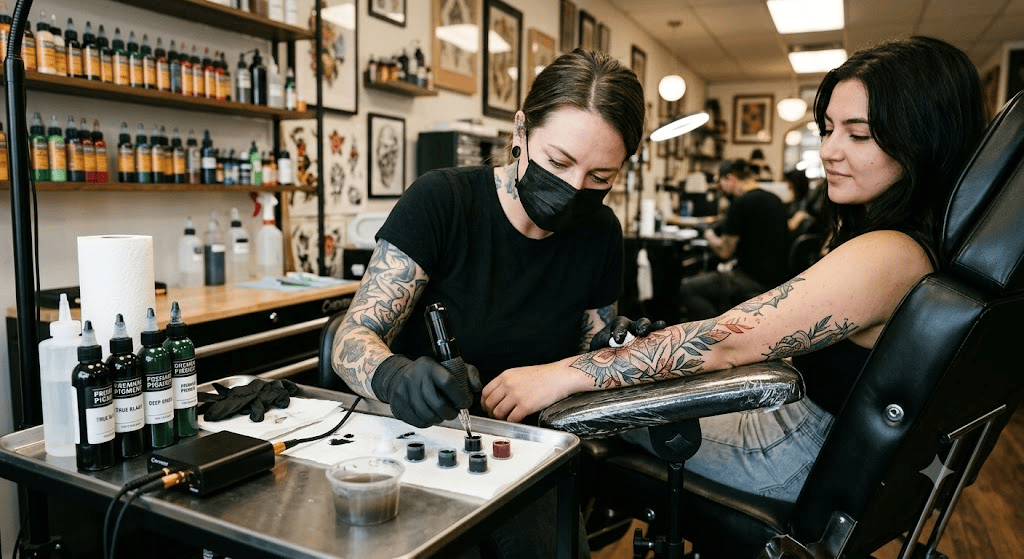
Getting a tattoo is an investment, and the price often reflects much more than the time spent applying ink to the skin. While lower-cost options may seem appealing, high-quality tattoos typically come at a premium because they involve skilled artists, professional equipment, premium materials, and strict safety standards. Understanding what goes into the cost of a tattoo can help clients appreciate the value of quality craftsmanship.
Experienced Artists Command Higher Rates
One of the biggest factors affecting tattoo prices is the artist’s experience. Established tattoo artists spend years developing their skills, refining techniques, and building strong portfolios. Their expertise allows them to create cleaner lines, smoother shading, and longer-lasting artwork, making their services more valuable than those of less experienced artists.
Premium Inks and Equipment
Professional tattoo studios invest in high-quality inks, sterilized needles, and reliable tattoo machines designed to deliver consistent results. Premium tattoo inks often provide richer colors, smoother application, and better long-term retention. These materials cost more than lower-grade alternatives but contribute to both the appearance and durability of the finished tattoo.
Health and Safety Standards
Maintaining a clean and hygienic environment is essential in the tattoo industry. Reputable studios use single-use needles, disposable gloves, medical-grade disinfectants, and sterilized equipment to reduce the risk of contamination. These ongoing safety practices require continual investment, which is reflected in the overall cost of professional tattoo services.
Custom Artwork Takes Time
Many clients choose custom tattoos instead of selecting pre-designed artwork. Creating an original design involves consultations, research, sketching, revisions, and careful planning before the tattoo session even begins. This creative process requires additional time and artistic expertise, making custom tattoos more expensive than standard flash designs.
Studio Operating Costs
Tattoo studios also face regular business expenses, including rent, utilities, licensing fees, insurance, equipment maintenance, and continuing education. These operational costs help maintain a professional environment where artists can safely provide high-quality services while complying with local regulations.
Final Thoughts
Although premium tattoos often come with higher upfront costs, they can offer better long-term value. Well-executed tattoos generally heal more consistently, retain their detail longer, and require fewer touch-ups over time. For many people, paying more for experienced artistry, quality materials, and professional safety standards is a worthwhile investment in body art that can last a lifetime.
This post was written by J Michael Taylor. J Michael Taylor is an artist and the owner of Black Amethyst Tattoo Gallery. Black Amethyst is the best among the Tattoo shops in Tampa. They provide an art-first approach to custom tattooing in a gallery setting.


Leave a Reply